
FOR PATIENTS
Start wherever you are in the hair-loss journey
FHI can be the first structured hair and scalp assessment, a deeper review after diagnosis, or a monitoring layer during treatment and follow-up.
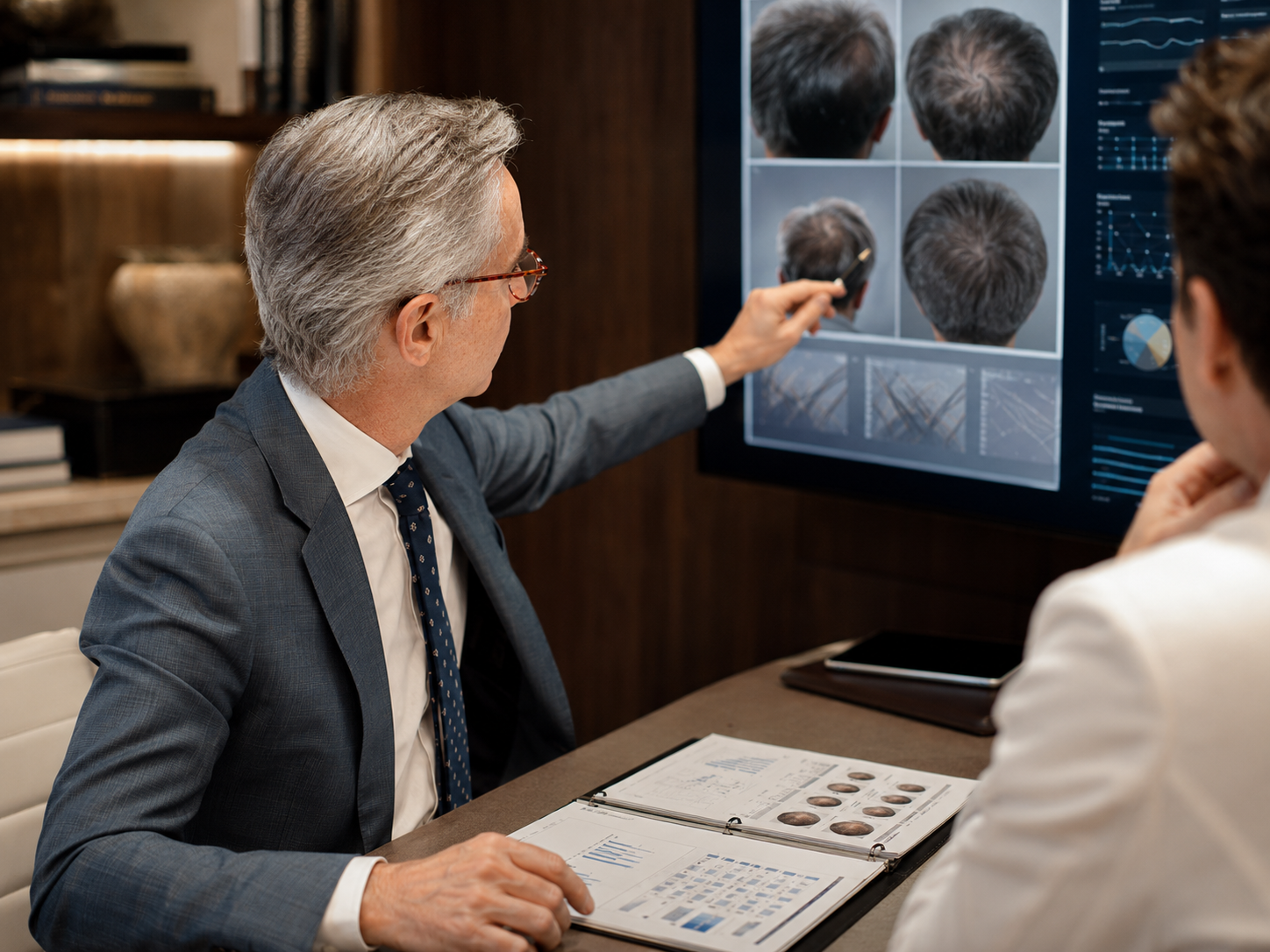
Seven entry situations
Start wherever you are in the hair-loss journey. Each entry point leads into the same structured intake, assessment, reporting, and follow-up process.
At the first signs of change
You have noticed shedding, thinning, texture change, scalp symptoms, or another change.
Before diagnosis
You want a thorough assessment before deciding what to do next.
After diagnosis
You have a diagnosis, but still have questions or need a deeper look.
During treatment
You are using treatment and need a clearer reading of response.
When progress is unclear
You are unsure whether you are improving, stabilizing, or getting worse.
For long-term monitoring
You want ongoing tracking and a reliable record of change over time.
Before or after a procedure
You want independent baseline or follow-up assessment around a procedure.
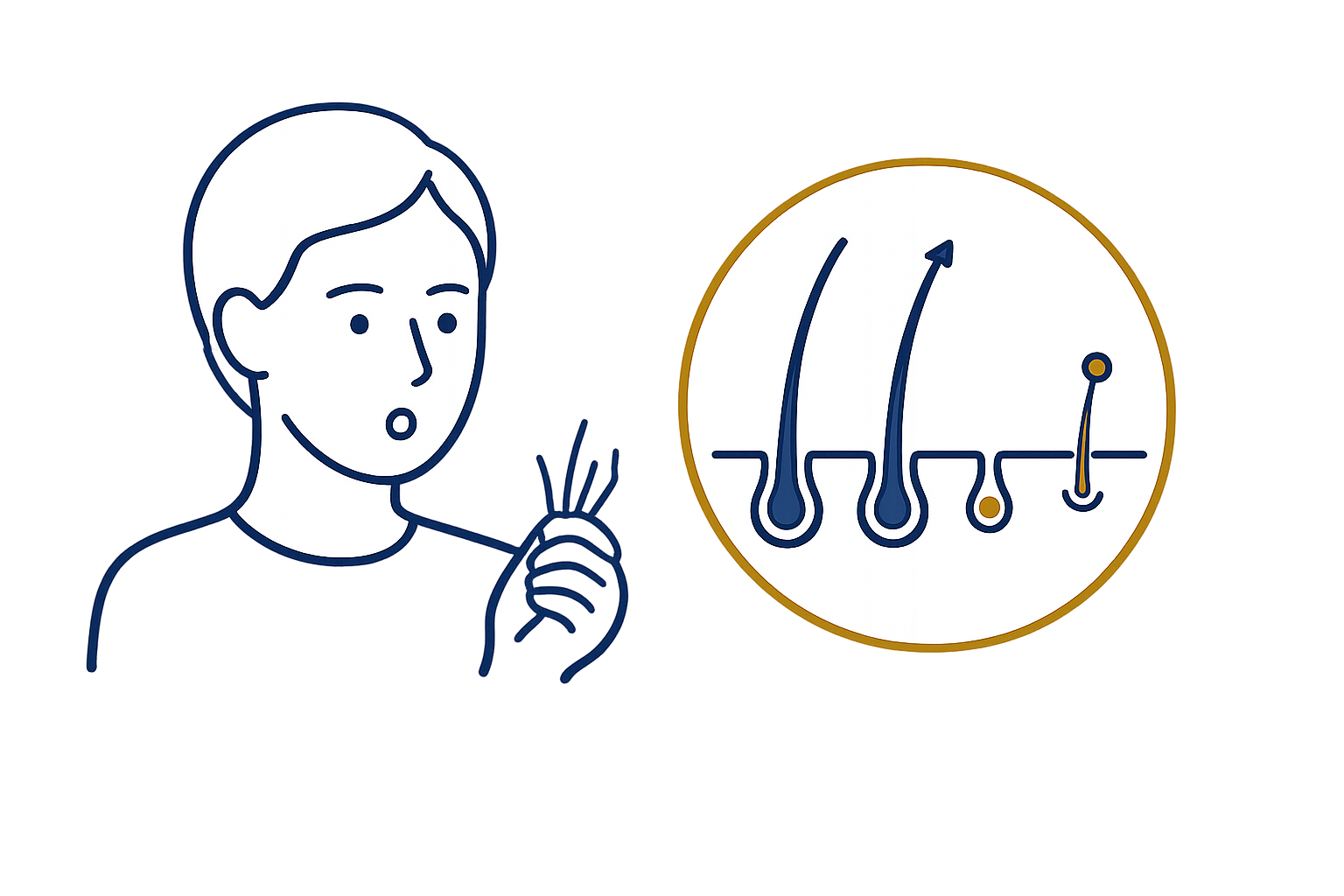


Early, persistent, recurring, or difficult-to-read change
- Early androgenetic change, diffuse thinning, increased shedding, or changing density.
- Normal or non-explanatory laboratory results with continuing visible change.
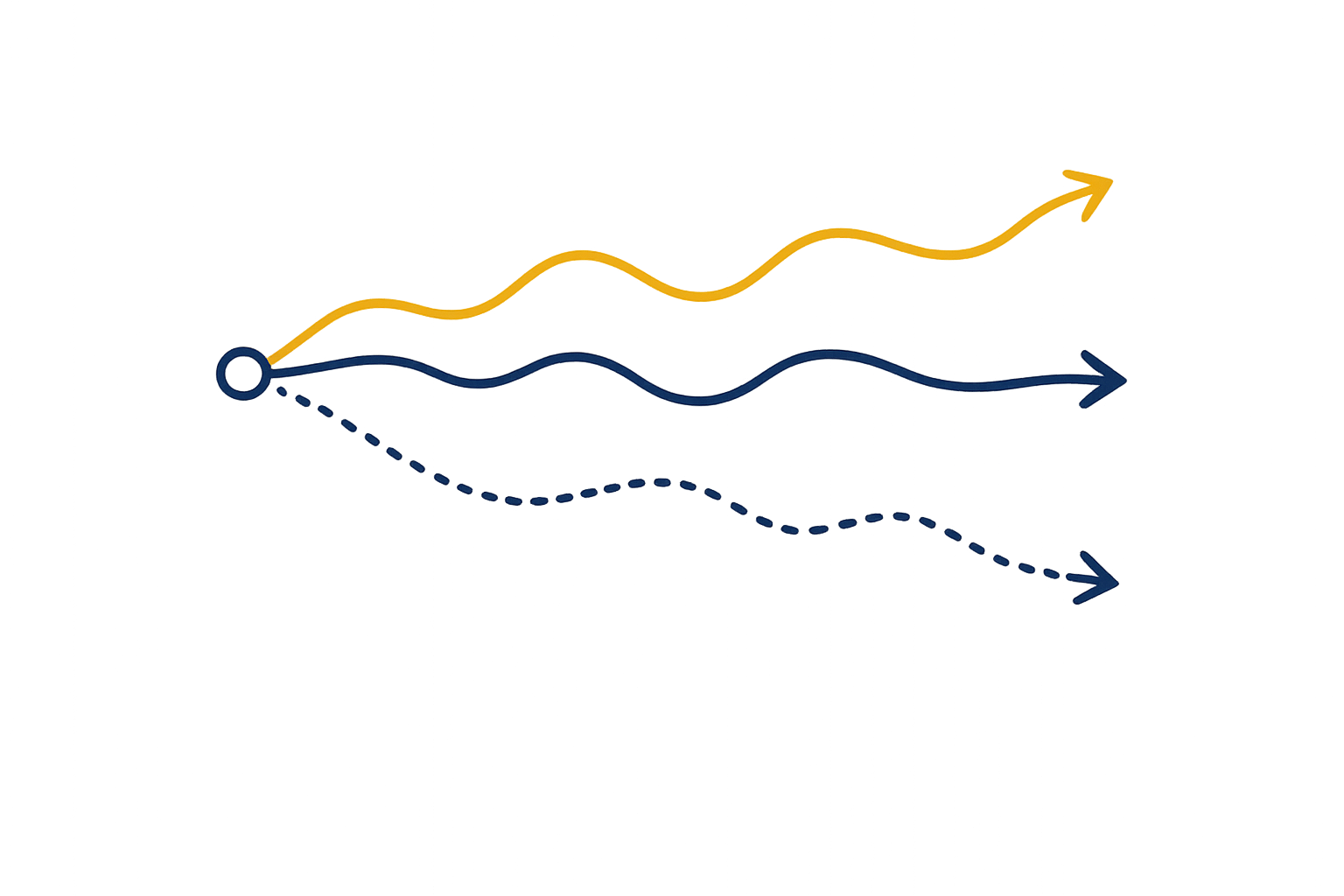
- Repeated cycles of improvement, relapse, or incomplete recovery.
- Hair breakage, shaft-quality change, styling or chemical exposure, or uncertainty about true density loss.
Alopecia areata and patch-pattern change
FHI can organize distribution, recurrence history, photographs, prior response, recovery, monitoring needs, and questions around physician-directed treatment or escalation.
Scarring and inflammatory-pattern concerns
FHI reviews the distribution, symptoms, photographs, trichoscopy, available pathology, treatment response, and change over time. Itch, burning, pain, tenderness, tightness, scaling, redness, pustules, crusting, and changing scalp sensations can add important context.
- Fungal or other infectious and inflammatory scalp conditions, including available culture or treatment information.
Congenital, inherited, syndromic, and systemic presentations
History, family context, visible findings, prior assessments, known conditions, specialist notes, treatments, and monitoring needs are considered together.
Eyebrow, eyelash, beard, or body-hair change
The distribution, timing, symptoms, associated scalp findings, health context, and prior assessments are reviewed together.